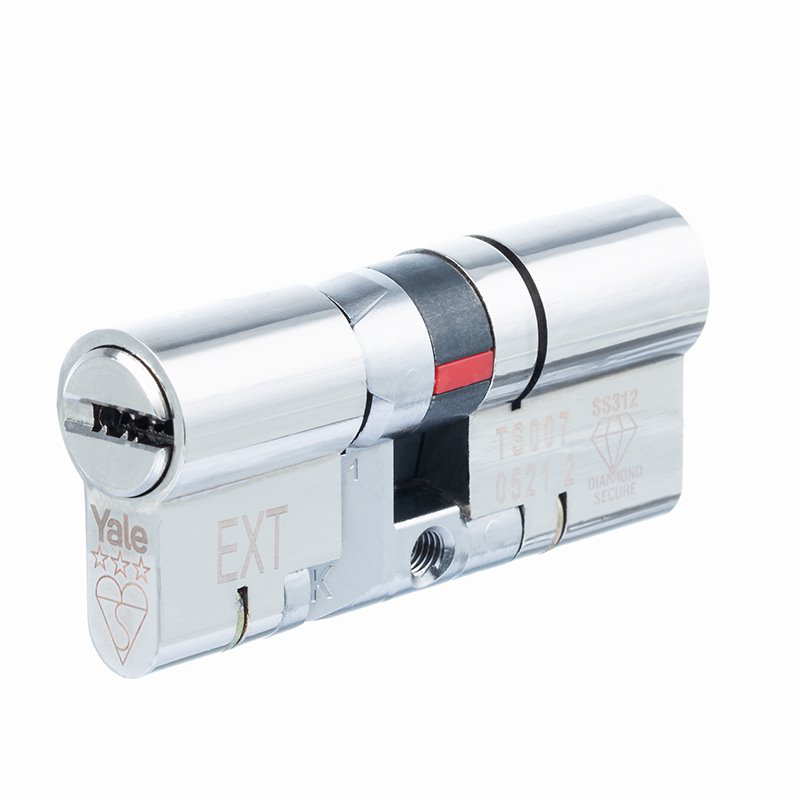
Platinum Ultra 3 Star Cylinder
Platinum Ultra 3 Star Euro Profile Cylinder
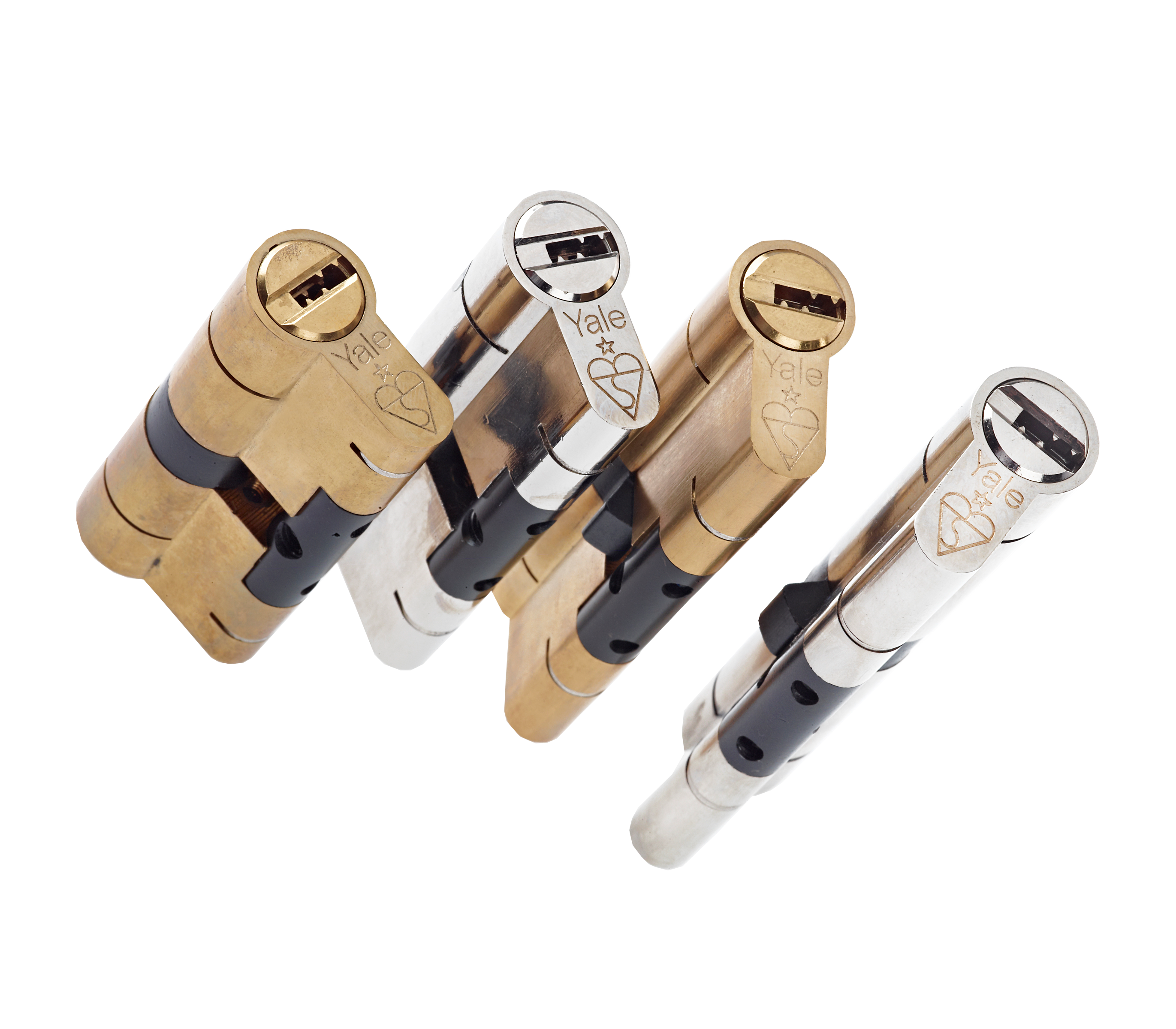
Deliver robust, certified security with the Yale Platinum Ultra Euro Profile Cylinder. Engineered to meet the TS007 3 Star Kitemark Anti-Snap standard, this cylinder provides advanced protection against sophisticated cylinder attacks, making it ideal for residential projects.
Independently tested by BSI, the Platinum Ultra 3 Star Cylinder proudly carries the British Kitemark and is accredited to the TS007-1:2014 3 Star rating, ensuring compliance and confidence for professional installers and specifiers.
Specification
TS007-1:2014 3 Star certified
BS EN 1303:2015 compliant
Sacrificial front section prevents snapping
Multi-protection: Anti-Pick, Anti-Bump, Anti-Pull, Anti-Drill, Anti-Screw, plus resistance to glue and freeze attacks
Kitemarked BSI approved re-pinning available
Suitable for Euro retrofit installations
10-year mechanical guarantee for lasting reliability
Covered by a £3,000 Total Trust Guarantee
Features
Precision horizontal high-security dimple cut keyway
Key card included for streamlined code identification and duplicate ordering
Available in double key-key, thumb-turn, and paired alike variants – ideal for French door applications
Finish options: Brass, Chrome, Dual Colour
Order spare or replacement keys directly at yalehome.co.uk
TS007-1:2014
TS007 is a standard developed in response to concerns over cylinder attacks. The standard is characterised by a 3-star rating system, and can be achieved by combining a 1 star cylinder with a 2 star security door furniture or using a standalone 3 star cylinder.
The Platinum Ultra cylinder is approved to TS007 3 stars and does not require any additional security furniture.
Maintenance and care of your Yale cylinder
Yale recommend regular lubrication of your Yale cylinder locks to ensure continuous trouble-free performance and operation.
For this we recommend using a PTFE based lubricant. A small amount of lubricant should be applied to the key and then inserted into the cylinder. Rotate the key a couple of times in line with the normal locking function. Remove the key from the cylinder and wipe away and remaining lubricant to ensure it isn’t transferred onto other objects.
1 of 6
Fortify 3 Star Euro Profile Cylinder
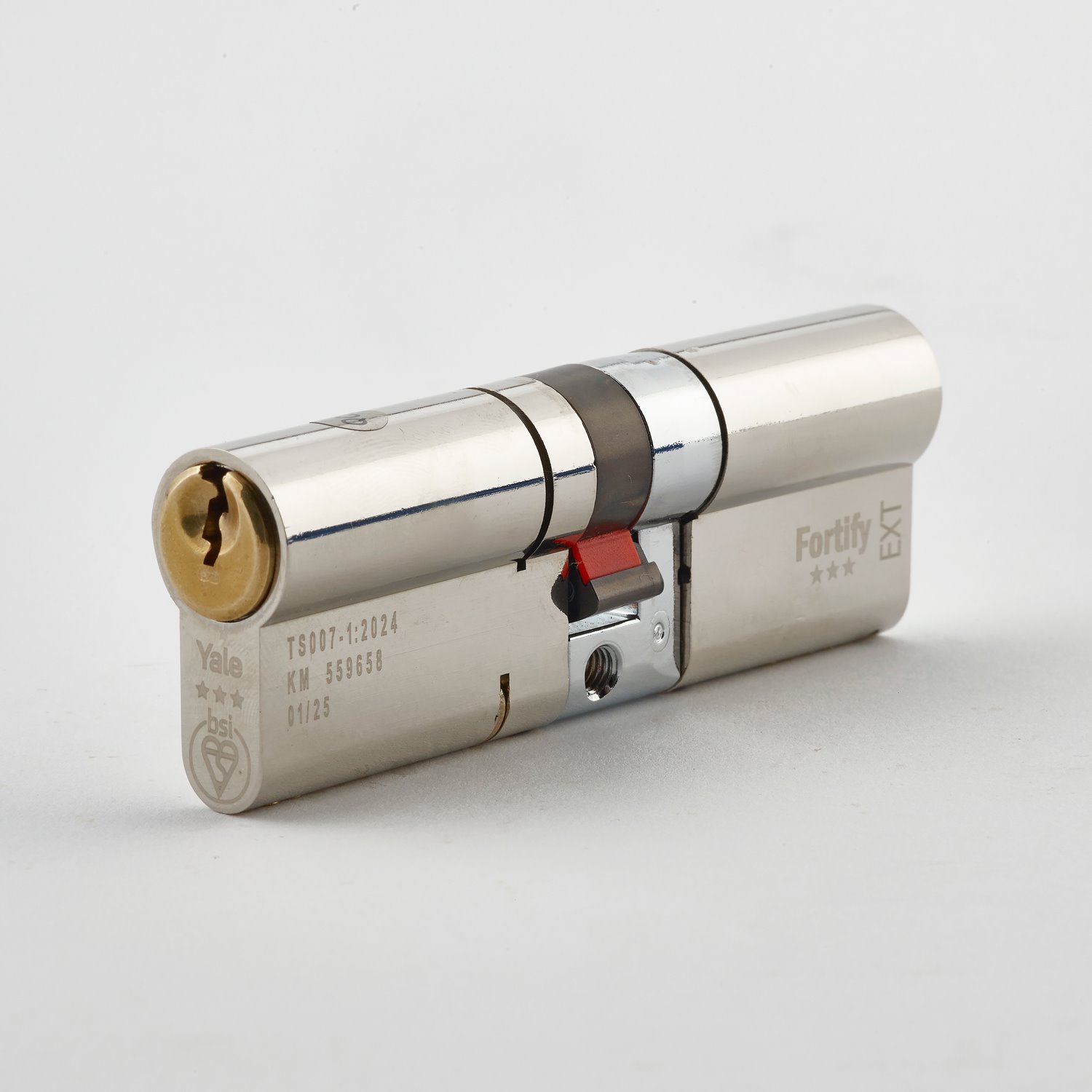
The Yale Fortify 3 Star Kitemarked Cylinder is a security product that provides maximum security against known attack methods.
The Yale Fortify 3 Star Cylinder is independently tested by BSI to be awarded the British Kitemarked TS007-1:2024 3 Star accreditation.
Features:
- Inner strength - A dedicated central bridge delivers protection from external attack.
- Anti-Snap - The external section of the cylinder is designed to snap under attack, leaving your home safe and secure.
- Anti-Bump - Specialised side pins provide bump resistance.
- Anti-Pick - The unique technology features a combination of tumbler and side pins, designed to resist lock picking.
- Anti-Drill - Hardened steel protection incorporated in the cylinder provides resistance against drill attacks.
Specifications:
- Key type: sawn cut key
- Protection: Anti-bump, anti-snap, anti-pick, anti-plug extraction, and anti-drill
- Suitable for: PVCu, Timber, Composite and Aluminium
- Available cylinder types: Double Key-Key, Thumb-turn, and Paired Alike – ideal for French door applications
- Available cylinder finishes: Dual colour
Accreditations:
- BS EN1303: 2015 - 160A0C5D*
- BSI TS007-1: 2024 - KM559658
- Secured by Design Approved
- 10-year mechanical guarantee
Engineered to the Latest Security Standards:
- Yale Fortify TS007 3 Star Cylinder has been developed and updated in alignment with the latest industry standards standards, ensuring compliance with TS007-1:2024 providing peace of mind for installers and end-users alike.
Advanced Protection Against Modern Attack Methods:
- Designed to defend against both traditional and emerging break-in techniques, including snapping, picking, drilling, plug extraction and bumping. Yale Fortify TS007 3 Star Cylinder provides robust, up-to-date protection for today’s security landscape.
Versatile Sizing:
- Available in key-key and thumb turn versions across a range of sizes, Yale Fortify TS007 3 Star Cylinder ensures a tailored fit for various door thicknesses and installation requirements including the retrofit and replacement markets
Exceptional Durability:
- Tested to EN1303 durability standards, Yale Fortify TS007 3 Star Cylinder is engineered for long-term performance, ensuring reliability and functionality even under heavy, everyday use.
Protected Innovation with Patent Coverage:
- With its patented key profile, the Yale cylinder prevents unauthorized copies—only genuine keys work, delivering reliable security and trouble-free performance for your home.
Peace of Mind:
- 10-year mechanical guarantee and included within Yale's Lifetime Security Guarantee.
Maintenance Instructions:
Yale recommends regular lubrication of your Yale cylinder locks to ensure continuous trouble free performance and operation.
For this, we recommend using a PTFE based lubricant. A small amount of lubricant should be applied to the key and then inserted into the cylinder. Rotate the key a couple of times in line with the normal locking function. Remove the key from the cylinder and wipe away any remaining lubricant to ensure it isn’t transferred onto other objects.
Superior 1 Star Euro Profile Cylinders
The Yale Superior series offers British Kitemarked TS007:2014 1* security and has been tested to the British Standards BS EN 1303:2015
Suitable for PVCu, wood and composite doors, this cylinder is Secured-By-Design approved and recommended for use on doors that require a high level of security.
Features:
- Multi-pin tumbler system
- Nickel and brass finishes available
- TS007 1* Kite marked high security euro cylinder
- Anti-bump, Anti-drill and Anti-pick
- Superior physical strength
- Available in Double, Keyed alike, Paired alike and Thumb turn
- High security dimple cut blade key
Specifications:
- Corrosion tested to BS EN 1303:2015 (96hrs. NSST)
- Secured by Design approved (to TS007 1*)
- 10-year Mechanical Guarantee
- Endurance tested to 50,000 cycles
Included within the Yale Lifetime Security Guarantee*
*Terms and conditions apply
Maintenance and care of your Yale cylinder
Yale recommend regular lubrication of your Yale cylinder locks to ensure continuous trouble free performance and operation.
For this we recommend using a PTFE based lubricant. A small amount of lubricant should be applied to the key and then inserted into the cylinder. Rotate the key a couple of times in line with the normal locking function. Remove the key from the cylinder and wipe away and remaining lubricant to ensure it isn’t transferred onto other objects.
KM Series 1 Star Euro Profile Cylinder
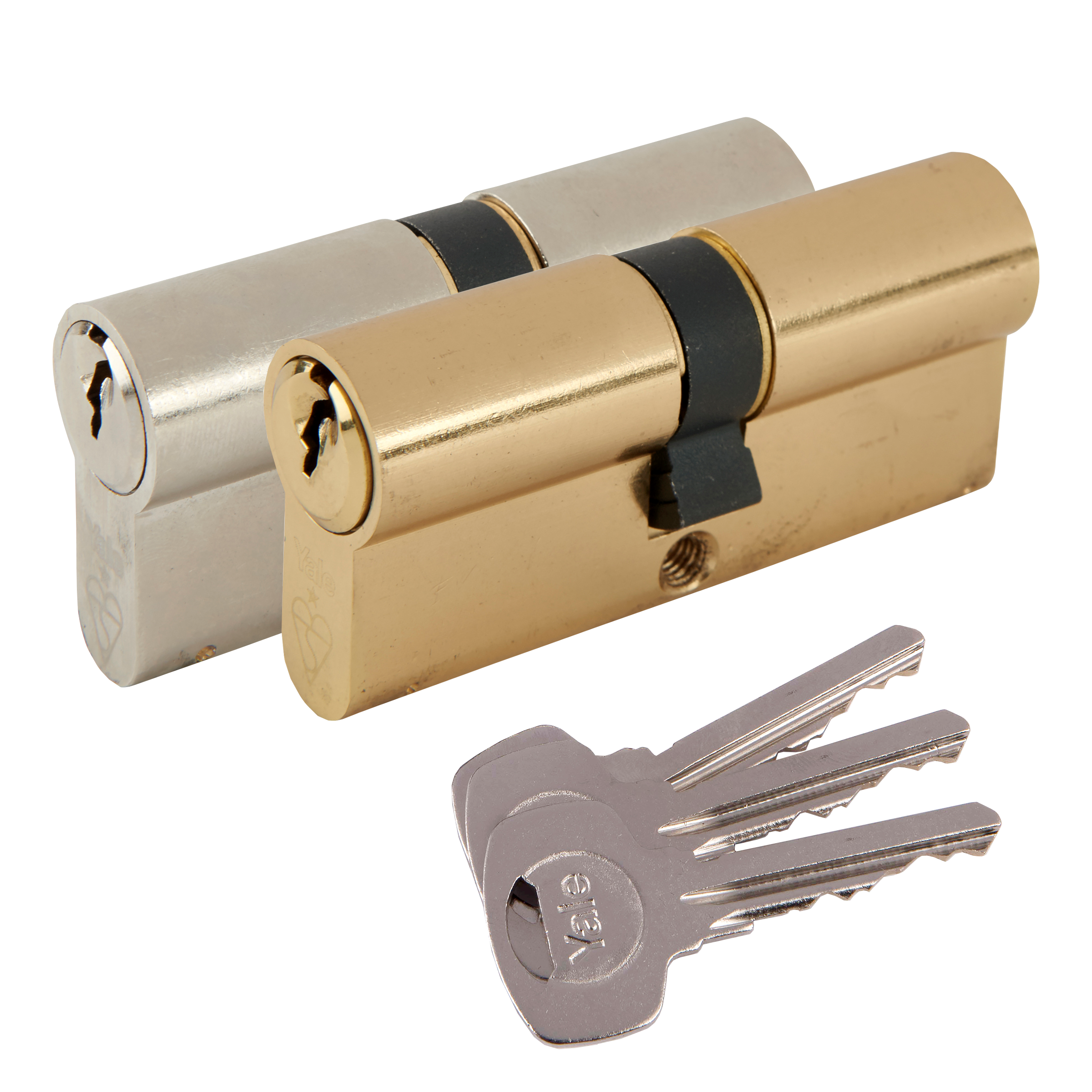
The Yale KM Euro Profile cylinder has been developed to provide protection against common cylinder attack methods.
The KM series offers British Kitemarked TS007:2014 1 star security and has been tested to the British Standard BS EN 1303:2005.
Suitable as a replacement product on PVCu, wood and composite doors this cylinder is Secured by Design approved and recommended for us on doors that require a high level of security and attack protection.
Specifications:- Replacement 6 pin Euro Profile Cylinder
- Available in Euro Single, Euro Double and Euro Turn
- BSI Kitemark Approved - KM532920
- TS007 1 Star Cylinder
- Secured by Design approved
- High Security Level
- 10-Year Mechanical Guarantee
- Corrosion tested to BS EN 1303:2005 (96hrs. NSST)
- Endurance tested to 50,000 cycles
Included within the Yale Lifetime Security Guarantee*
*Terms and conditions apply
Features:
- Anti-Bump, Anti-Pick, and Anti-Drill protection
- Available in Polished Brass and Nickel Plated finish
- 3 Keys supplied
- 10 year mechanical guarantee
Maintenance and care of your Yale cylinder
Yale recommend regular lubrication of your Yale cylinder locks to ensure continuous trouble free performance and operation.
For this we recommend using a PTFE based lubricant. A small amount of lubricant should be applied to the key and then inserted into the cylinder. Rotate the key a couple of times in line with the normal locking function. Remove the key from the cylinder and wipe away any remaining lubricant to ensure it isn't transferred onto other objects.
Euro Profile Cylinder
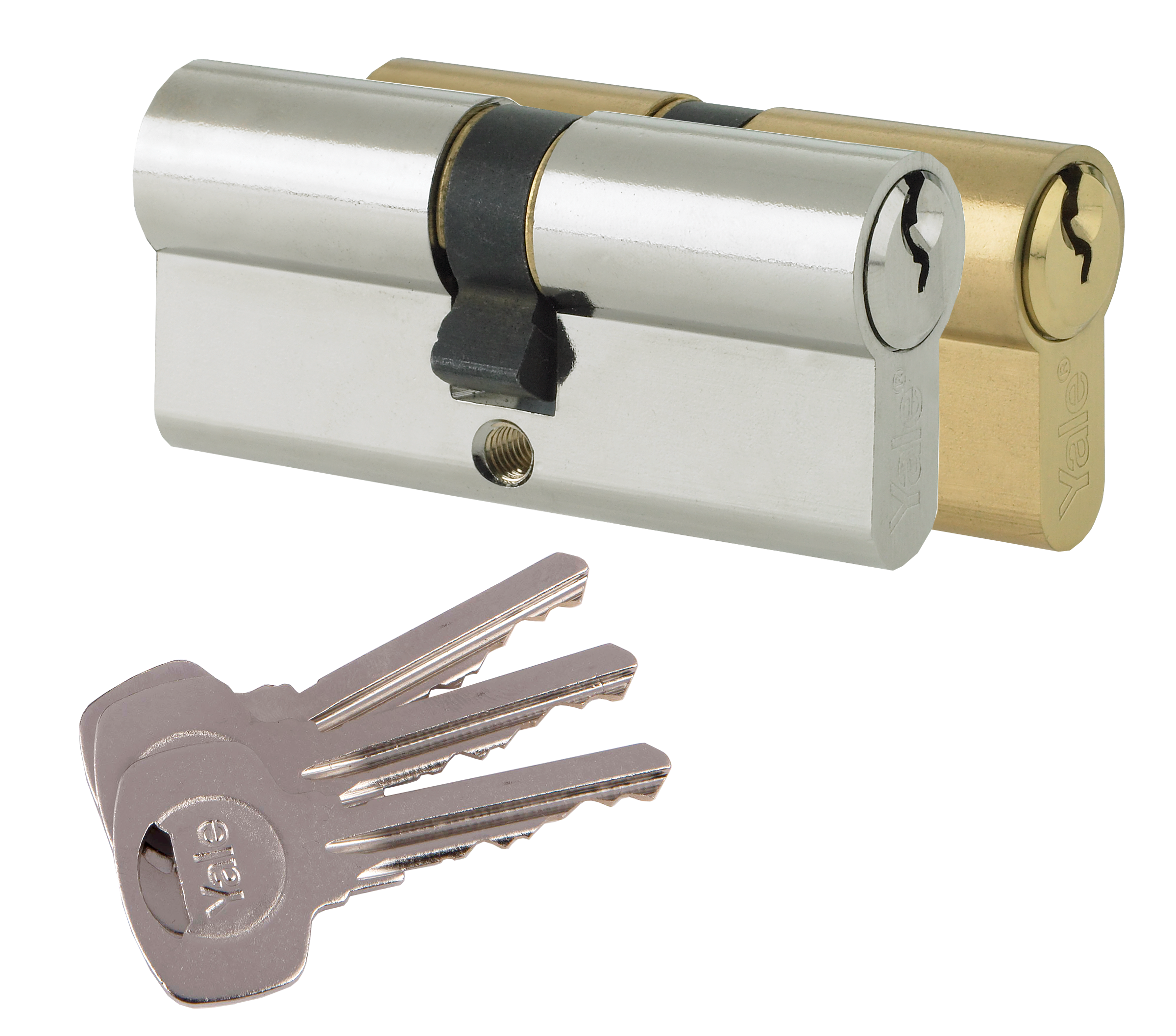
The Yale 6 pin Euro profile cylinder is a convenient everyday locking solution.
The cylinder is suitable as a replacement product on PVCu, timber and composite doors that require a standard level of security.
Features
- Replacement 6 pin Euro Profile Cylinder
- Yale branded
- Supplied with three Yale branded keys as standard
- Available in single, double and thumb-turn variants
- Available in brass and nickel finishes
- Suitable for PVCu, timber and composite doors
Specifications
- 2 year Mechanical Guarantee
- Standard security level
Care and Maintenance
Yale recommends regular lubrication of your Yale cylinder locks to ensure continuous trouble-free performance and operation.
For this, we recommend using
a PTFE based lubricant. A small amount of lubricant should be applied to the key and then inserted into the cylinder. Rotate the key
a couple of times in line with the normal locking function. Remove the key from the cylinder and wipe away any remaining lubricant to ensure it isn’t transferred onto other objects.Platinum 3 Star Euro Profile Cylinder
The Yale Platinum Euro Profile cylinder is a TS007 3 Star Kitemarked Anti-Snap security product to provide maximum security against known attack methods.
The Platinum 3 Star cylinder is independently tested by BSI to be awarded the British Kitemarked TS007:2014 3 Star accreditation.
Specification
TS007-1:2014+A2:2018 3 Star accredited.
- KM559658
- BS EN 1303:2015 approved
- Anti-snap sacrificial front section
- Anti-Pick, Anti-Bump, Anti-Pull, Anti-Drill, Anti-Screw
- BSI approved re-pinning available with kitemark accreditation
- Euro retrofit cylinder
- 10-year Mechanical Guarantee
- Corrosion tested to BS EN 1670:2007 Grade 4 (240hrs. NSST)
- Endurance tested to 50,000 cycles
Included within the Yale Lifetime Security Guarantee*
*Terms and conditions apply
Features
- Superior strength with cylinder stability system
- Horizontal keyway
- Flat reversible dimple key with stylish new Yale branded key bow
- Key card for easy code identification and duplicate key ordering
- Available in single, double and thumbturn variants
- Available in Brass, Nickel and Black finishes
- Order spare keys from yalestore.co.uk
TS007:2014
TS007 is a standard developed in response to concerns over cylinder attacks. The standard is characterised by a 3 star rating system, and can be achieved by combining a 1 star cylinder with a 2 star security door furniture or using a standalone 3 star cylinder. The Platinum series cylinder is approved to TS007 3 stars and does not require any additional security furniture.
Maintenance and care of your Yale cylinder
Yale recommend regular lubrication of your Yale cylinder locks to ensure continuous trouble free performance and operation.
For this we recommend using a PTFE based lubricant. A small amount of lubricant should be applied to the key and then inserted into the cylinder. Rotate the key a couple of times in line with the normal locking function. Remove the key from the cylinder and wipe away and remaining lubricant to ensure it isn’t transferred onto other objects.